Introduction
If you crave steakhouse quality at home, the Denver steak is a revelation: richly marbled, tender, and surprisingly affordable. Sourced from the beef chuck and prized for its flavor, the Denver steak rewards thoughtful trimming, the right sear, and a brief rest. Read on for butchery tips, cooking methods (reverse sear, sous vide), seasoning ideas, and serving pairings to make yours unforgettable.
What is a Denver steak and where does it come from?
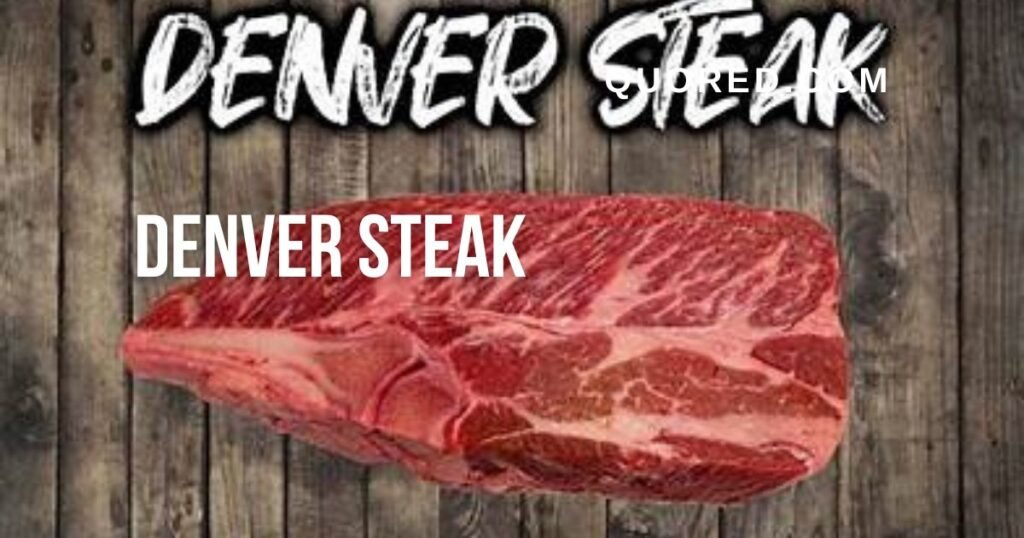
The Denver steak comes from the chuck primal, specifically the under-blade area of the beef shoulder. Butchers discovered a well-marbled, relatively tender muscle there that slices like a tender steak when trimmed properly. It’s related to the flat iron cut family but distinct: while the flat iron is cut from the top blade, the Denver often comes from neighboring muscles and offers deep beefy flavor with noticeable marbling and a great chew.
Think of the Denver steak as the chuck’s answer to more expensive loin cuts — it’s affordable, versatile, and full of character. Because it’s not as well-known as ribeye or strip, it’s a fantastic value for home cooks chasing flavor.
Denver steak vs flat iron are they the same?
Short answer: they’re cousins. Both cuts come from the shoulder region, but they are different muscles with slightly different textures and grain directions. The flat iron is prized for uniform tenderness, while the Denver steak offers a bit more marbling and a richer flavor profile. When sliced properly across the grain, both are tender, but your choice might come down to which is available at your butcher or retailer like Omaha Steaks or premium brands such as Snake River Farms.
Choosing the right Denver steak marbling, grade, and thickness
When shopping, look for:
-
Good marbling — intramuscular fat equals flavor and tenderness. Aim for USDA Choice or higher if possible.
-
Thickness — 1 to 1.5 inches is ideal for a proper sear and medium-rare finish; thicker cuts suit sous vide or reverse sear.
-
Trimmed of excess silver skin — ask your butcher to remove tough connective tissue so the steak slices more tenderly.
Thicker steaks are more forgiving for achieving a perfect medium rare, while thinner Denver steaks are ideal for high-heat pan searing and quick resting.
Preparing a Denver steak trimming, seasoning, and temp control
Preparation matters:
-
Trim: Remove obvious silver skin and large connective pieces. This exposes the beautiful marbling beneath.
-
Season: For a classic experience, a simple salt and pepper dry rub is perfect — coarse salt, freshly cracked pepper, and a touch of garlic powder if you like. For deeper flavor, marinate briefly (no more than 4 hours) in a soy- or Worcestershire-based wet marinade.
-
Temper: Let the steak sit at room temperature for 30–45 minutes before cooking; it helps with even cooking.
-
Probe: Use an instant-read thermometer to hit target temps precisely — for medium rare, aim for 125–130°F before resting.
Less is more: the Denver steak’s flavor shines with restrained seasoning and proper heat.
Best cooking methods reverse sear, cast iron skillet, and sous vide
You have options. Three methods excel with Denver steak:
Cast iron skillet
-
Preheat the cast iron skillet until smoking hot.
-
Pat the steak dry, season generously, and sear 2–3 minutes per side for a 1-inch steak.
-
Finish with butter and herbs, and rest.
This method delivers a blistering Maillard reaction crust and fast cooking — ideal for weeknights.
Reverse sear
-
Slow-roast in the oven or on low indirect heat to 10–15°F below target.
-
Then transfer to a screaming hot skillet or grill and sear for crust.
-
The reverse sear gives even doneness edge-to-edge and an impeccable crust.
Sous vide
-
Seal and cook at your target temp (e.g., 129°F for medium rare) for 1–2 hours.
-
Finish with a hot sear for crust development.
-
Sous vide guarantees exact doneness and is forgiving for thicker Denver steaks.
All these techniques rely on the same principles: create a crust, protect juiciness, and rest the meat.
Searing science the Maillard reaction and crust development
Searing a Denver steak isn’t just show — it’s chemistry. The Maillard reaction browns proteins and sugars at high heat, generating complex savory flavors and that irresistible crust. Achieve it by using a very hot skillet or grill, keeping the steak dry before it hits heat, and avoiding crowding the pan. A compound butter finish — think garlic-thyme or blue-cheese butter — melts into the crust and heightens flavor.
Resting, slicing, and serving final touches
Resting is non-negotiable. Let your Denver steak rest 5–10 minutes after cooking to allow juices to redistribute. Slice across the grain in thin, confident strokes to maximize tenderness. Serve with a simple pan sauce (deglaze with red wine or beef stock) or top with compound butter for richness. Pair with roasted vegetables, a peppery arugula salad, or a medium-bodied red wine.
Recipes and seasoning ideas
Try these simple directions:
-
Classic Salt & Pepper: Coarse salt 40 minutes before cooking, fresh pepper at sear, finish with butter and thyme.
-
Korean-inspired Marinade: Soy, brown sugar, garlic, pear purée, and sesame oil for 2–4 hours; quick sear and finish with scallions.
-
Chimichurri: Grill Denver steak, slice thin, and spoon herbaceous chimichurri over the top for a vibrant finish.
Pick a method and flavor profile that matches how you want to eat—bold and spicy, bright and herby, or classic and beef-forward.
Conclusion
The Denver steak proves that exceptional steak doesn’t require an expensive cut — just good butcher knowledge, precise cooking, and respect for heat and rest. Try a reverse sear for thick cuts or a screaming cast iron sear for quick weeknight excellence. Grab a Denver steak on your next market run, and experiment with the techniques here — you’ll be surprised how restaurant-quality results become routine.
Also Read : Grillvorführung:Discover the Power of a Weber Grillvorführung
FAQ
1. What is a Denver steak and where does it come from?
A Denver steak is a flavorful cut from the beef chuck (under-blade area), trimmed to remove connective tissue and prized for its marbling and tenderness.
2. How should I cook a Denver steak to medium rare?
Aim for 125–130°F internal temp before resting. Use a hot cast iron sear for 2–3 minutes per side for a 1-inch steak, or employ the reverse sear or sous vide for thicker cuts.
3. Is Denver steak the same as flat iron?
They are related but distinct: both originate near the shoulder, but they are different muscles with slightly different textures and grain directions.
4. What is the best seasoning or marinade for Denver steak?
Simple coarse salt and pepper highlight beef flavor. For variety, try a short soy-based marinade or a dry rub with smoked paprika and garlic powder.
5. How thick should a Denver steak be for optimal searing?
1 to 1.5 inches is ideal for home pan-searing. Thicker cuts (1.5–2 inches) perform well with reverse sear or sous vide for precision.